Quantification of Endocannabinoids as Diagnostic Biomarkers
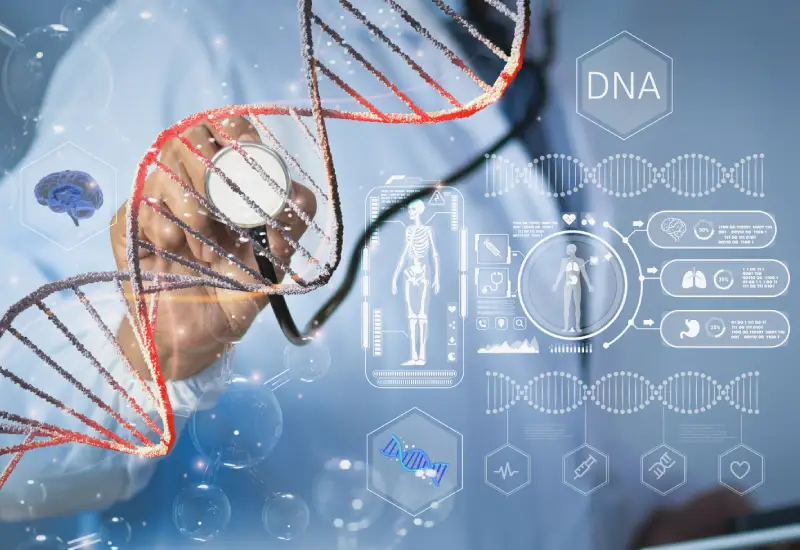
The endocannabinoid system influences nearly every major physiological process in the human body, yet clinical pharmacology has lacked a standardized method for measuring it. This study is designed to change that.
Why Diagnostic Biomarkers for the Endocannabinoid System Matter
Thyroid function, blood glucose, and cortisol are each evaluated using measurable laboratory data, rather than symptom inference. The endocannabinoid system regulates processes just as fundamental as pain modulation, immune response, metabolic balance, and stress adaptation, but no equivalent reference ranges exist for it. Clinicians working with conditions suspected to involve cannabinoid signaling have had to rely on observation, where measurement would serve them better. Establishing diagnostic biomarkers for the endocannabinoid system directly addresses that gap.
What The Study Is Actually Doing
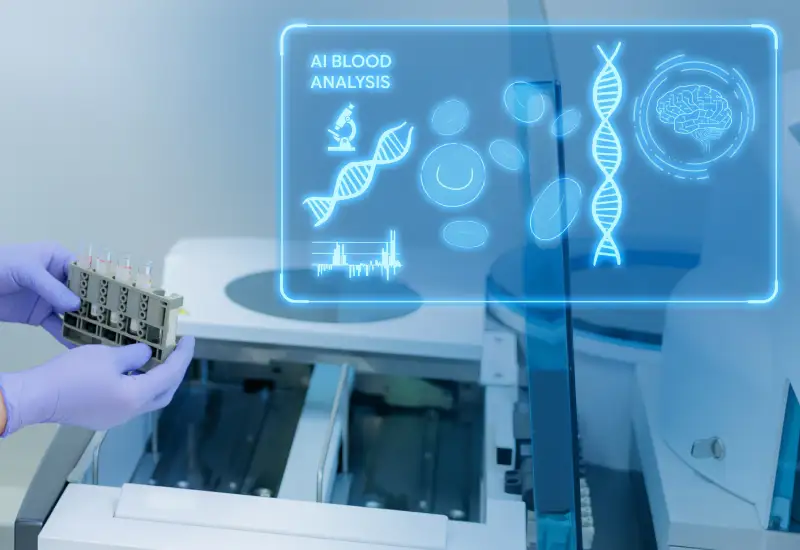
Plasma samples are drawn from metabolically healthy adult participants following standardized collection protocols; a necessary control given how readily lipid-signaling molecules degrade. At the concentrations at which endogenous cannabinoids appear in human plasma, not every analytical method is up to the task. The resulting data are used to build statistical distribution models, define reference intervals, and identify variance patterns that distinguish normal endocannabinoid system function from measurable deviations. It is, in short, the groundwork that makes objective evaluation possible.
Building a Foundation for Clinical Pharmacology Practice
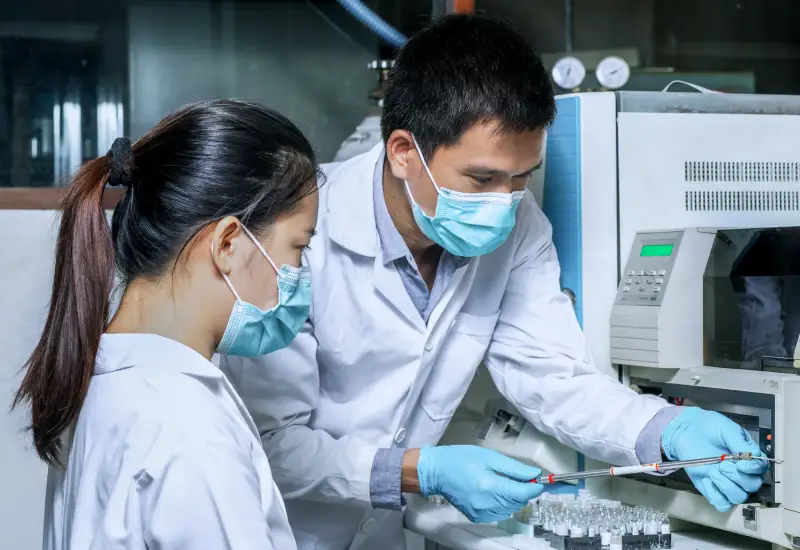
Clinicians make better decisions when they have numbers to work from. Normative ranges for endogenous cannabinoids give diagnostic biomarkers something to compare against; a deviation is only visible against a baseline, and this study produces one. The parallel to established endocrine panels is intentional: a biochemical basis for assessment, rather than a symptom checklist, is what makes longitudinal monitoring useful and therapeutic targets something other than educated guesses.
Study Status and Collaboration
Data collection is ongoing. If the work described here intersects with yours, whether in endocannabinoid system research, clinical pharmacology, or translational medicine more broadly, the institute is open to that conversation. Collaborative engagements are considered based on scientific alignment and what each party brings to the table.